
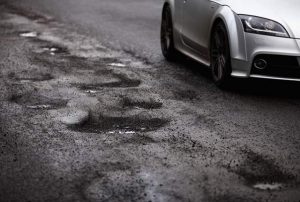
Asphalt across the Kansas City metro takes a beating year-round. Between summer heat that pushes surface temperatures past 140 degrees and the freeze-thaw cycles that hit every winter, commercial parking lots face nonstop stress. When cracks start showing across your property, it can be tempting for maintenance teams to try a quick patch with basic filler from a supplier.
But as commercial asphalt professionals serving the Kansas City area every day, we can say firsthand that DIY crack repair usually leads to bigger, more expensive problems later.
If the goal is to reduce operating costs, trying a shortcut seems like it might help. But in our climate, shortcuts in parking lot maintenance usually do the opposite.
Here is why professional crack repair is the only option that protects a commercial pavement investment in the Kansas City metro.
Key Takeaways
- DIY crack repair fails quickly on commercial parking lots in Kansas City due to climate and traffic loads.
- Store-bought fillers do not meet MoDOT or KDOT durability expectations for commercial surfaces.
- Hot rubberized crack filling and proper surface prep give commercial pavement long-term protection.
- A planned maintenance schedule based on Kansas City weather extends the lifespan of commercial asphalt.
Why DIY Asphalt Crack Repair Usually Fails in Kansas City
When we review damaged pavement across local shopping centers, office parks, and industrial sites, we find that DIY crack repair fails for the same set of reasons.
Kansas City Weather Punishes Weak Repairs
Kansas City’s temperature swings are tough on asphalt. We often see days that swing from mild afternoons to freezing nights. Low-grade fillers cannot expand and contract with those shifts. When they fracture, water finds its way in.
Commercial sites near the Missouri River basin or close to areas with higher groundwater, like the East Bottoms, see even faster breakdown. Once moisture works beneath the surface, it pushes the crack open again with every freeze.
Commercial traffic adds more pressure than a DIY product can withstand.
Freeze-Thaw Cycles Multiply Subsurface Damage
Many properties in Brookside, Waldo, and parts of Midtown sit on clay-heavy soil that shifts during freeze-thaw periods. When moisture reaches that layer through an unsealed crack, it expands under the pavement. DIY filler hides the surface problem without addressing the base.
As the base moves, the crack widens and spreads.
This leads to failures that the Kansas City Public Works Department considers structural issues, which require full-depth repairs instead of simple sealing.
Store-Bought Materials Do Not Meet Commercial Standards
Kansas City and nearby municipalities often reference commercial-grade materials based on Missouri Department of Transportation (MoDOT) or Kansas Department of Transportation (KDOT) specifications. Over-the-counter fillers rarely meet those standards. They lack the flexibility, durability, and bonding strength required for parking lots with steady use.
Managers near areas like Troost Avenue, the Crossroads District, or the Plaza often face higher traffic loads, which makes low-grade products fail within months.
Poor Surface Prep Causes Early Failure
Proper crack repair requires cleaning the crack walls, removing dust, drying the area, and checking for oil contamination.
Around busy districts like Westport or near Swope Park, dust, moisture, and vehicle fluids cause bonding failures. When prep is rushed or incomplete, the filler separates from the walls and the crack returns quickly.
Commercial surfaces need industrial cleaning and heating that DIY methods cannot match.
Commercial Traffic Loads Need Professional Reinforcement
Retail centers, industrial parks, and office campuses across Kansas City see constant traffic from delivery vans, ride-share vehicles, service trucks, and tenant parking.
Without proper reinforcement and hot rubberized crack material, the repair breaks apart under load. DIY filler pulls away from the edges, which creates new gaps that let moisture in and speed up deterioration.
How to Protect Your Asphalt the Right Way
Protecting a commercial parking lot in Kansas City requires a plan built for local climate, soil conditions, and usage patterns. Here is how we help commercial properties across the metro keep their pavement performing longer.
Start With a Professional Inspection
A commercial asphalt inspection identifies issues like early oxidation, minor alligator cracking, and base shifts caused by clay subgrade. Local factors such as Midwest UV exposure and Kansas City rainfall patterns help us determine the right approach.
Professionals also check ADA-related areas around ramps and accessible stalls to make sure cracking is not affecting compliance or safety.
Use Sealcoating to Prevent New Cracks
Sealcoating protects the surface from UV rays, de-icing chemicals, and fuel spills. In areas like Blue Springs, Lenexa, and Liberty, where seasonal shifts are strong, sealcoating every two to three years blocks moisture and slows oxidation.
Commercial sealcoat products follow standards set by manufacturers like SealMaster and meet thickness requirements that DIY kits cannot achieve.
Choose Hot Rubberized Crack Filling for Long-Term Performance
Commercial crack repair needs hot rubberized material applied with industrial kettles and heated applicators. This product bonds tightly and stays flexible, which prevents cracking during temperature changes.
High-traffic sites like the Plaza, Westport, or Zona Rosa benefit from this flexibility because the material moves with the pavement instead of breaking apart.
Fix Drainage Problems Before Damage Spreads
Standing water accelerates cracks. Older commercial properties in Hyde Park, the Northland, and Raytown often need improved slope or catch basin adjustments to control runoff.
Proper drainage also aligns with Kansas City, Missouri Water Services guidelines for stormwater flow, which help reduce pooling during heavy rains.
Plan Seasonal Maintenance Around Kansas City’s Climate
Commercial asphalt lasts longer when maintenance is scheduled at the right time.
We build plans around KC’s freeze-thaw cycle, summer heat, rainfall patterns, and traffic volume. By applying crack filling, sealcoating, and patching at the correct times, property managers extend pavement life and reduce emergency repairs.
Stop Chasing Short-Term Fixes—Let’s Do It Right the First Time
Commercial properties cannot afford repeat repairs caused by short-term fixes. At All Pro Asphalt & Maintenance, we help managers across the Kansas City metro protect their parking lots with hot rubberized crack filling, sealcoating, full-depth patching, and long-term maintenance plans built for our climate.
If cracks are showing up on your property, now is the time to act.
Reach out today to schedule a professional inspection or request a quote. We will build a maintenance plan tailored to your pavement and your part of town.
Frequently Asked Questions
How do I know if the cracks in my commercial parking lot need professional repair?
Facility teams often miss early structural signs like widening edges, moisture staining, or base movement. A commercial contractor looks at crack patterns, traffic load, and Kansas City climate exposure to determine if hot rubberized filling, patching, or drainage work is needed.
How long does hot rubberized crack filling last on a busy commercial lot?
Professional-grade hot rubberized material typically lasts several years when applied correctly and supported by regular sealcoating. In areas with heavier traffic, such as retail entrances or delivery lanes, we monitor cracking during each maintenance cycle to stay ahead of wear.
What time of year is best for commercial crack repair in Kansas City?
The best timing aligns with moderate temperatures and low moisture, usually spring through early fall. This schedule matches guidance used by local public works departments because the material bonds better and cures more reliably in these conditions.
Can poor drainage create new cracks even after repairs?
Yes. Water pooling near loading zones, dumpster pads, or curbs accelerates cracking and base erosion. We inspect slope, catch basins, and downspouts to help property managers correct drainage before it affects the structural layers of the pavement.